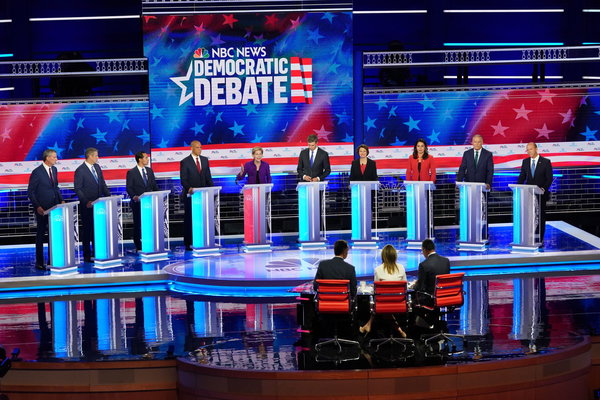
Twenty Democratic President candidates each have a handful of minutes to make their case for scoring the 2020 nomination, “debating” last night and tonight on major issues facing the United States. I watched every minute, iPad at the ready, taking detailed notes during the 120 minutes of political discourse conducted at breakneck speed.
Lester Holt, Savannah Guthrie, and Jose Diaz-Balart asked the ten candidates questions covering guns, butter (the economy), immigration, climate change, and of course, health care — what I’m focusing on in this post, the first of two-debate-days-in-a-row.
The first ten of twenty candidates in this debate were, from left to right:
- Bill DeBlasio, NYC Mayor
- Rep. Tim Ryan, Ohio
- Julian Castro, Former Housing Secretary under President Obama
- Sen. Corey Booker, New Jersey
- Sen. Elizabeth Warren, Massachusetts
- Beto O’Rourke, Former Texas Congressman
- Sen. Amy Klobuchar, Minnesota
- Rep. Tulsi Gabbard, Hawaii
- Governor Jay Inslee, Washington
- John Delaney, Former Maryland Congressman
Health care, and issues related to it, featured prominently throughout the two hours. The first part of the discussion focused on the economy and income distribution.
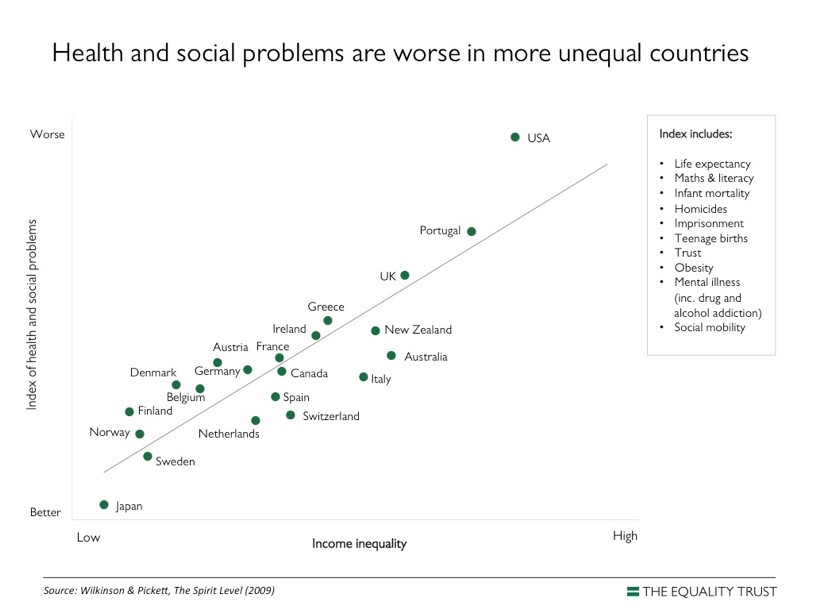
Income and the growing wealth-poverty gap is a relevant place to start a debate with a strong health care theme because health and social problems are worse in more unequal countries as the line/dot graph illustrates — the greater the income inequality, the higher the index of health and social problems. See the U.S. up and to the right on the high-high axes. [This, the impact of social determinants of health beyond health care, is the underlying theme of my book, HealthConsuming: From Health Consumer to Health Citizen].
 Elizabeth Warren assertively and transparently backed Bernie Sander’s Medicare for All proposal. She spoke in a larger context about the national economy, asking for whom is the economy working? She believes the economy is, “doing great for giant drug companies, just not for people trying to get a prescription filled.”
Beto O’Rourke shared his view that, “we have an economy that works for people who can pay for access and outcomes.”
Julian Castro called out the pay gap between men and women, growing up with a Mom who raised his brother Joaquin (a Congressman serving Texas’s 20th District) and him, and was paid less simply because she was a woman, he recollected. He called for passage of the Equal Rights Amendment and to pursue equal pay for equal work across the nation.
Tulsi Gabbard spoke about American people deserving “a president who puts your interest ahead of rich and powerful,” and would invest tax dollars serving “your needs (including) health care.”
Bill DeBlasio called out the “greatest gap between wealthy and poor” and addressing income inequality. As Mayor of New York City, DeBlasio said he is raising wages, benefits, putting dollars back into the hands of people, and funding Pre-K education for all New Yorkers.
Governor Inslee spoke from his Washington State experience, looking to “reinvigorate collective bargaining.” As the candidate running first and foremost on addressing climate change, he asserted, “Trump is wrong – wind turbines don’t cause cancer, they cause jobs.” Inslee is working to pivot Washington state toward the green economy.
Tim Ryan of Ohio spoke about the post-industrial economy there, noting that the state lost 4,000 jobs in a GM facility which, in his words, “rippled through the community, then got a bailout, and now moving car production to Mexico.” He observed that this is not new-news: the trend has been going on for 40 years in Ohio, where the “bottom 60% haven’t seen a raise since 1980.”
Moving from the macro economy, Lester Holt segued the debate into health care, recognizing that “many at home have coverage with employers.” He asked the ten debaters to raise their hands to answer the question: “Who would abolish and do a government-run plan?” Only two raised their hands: DeBlasio and Warren.
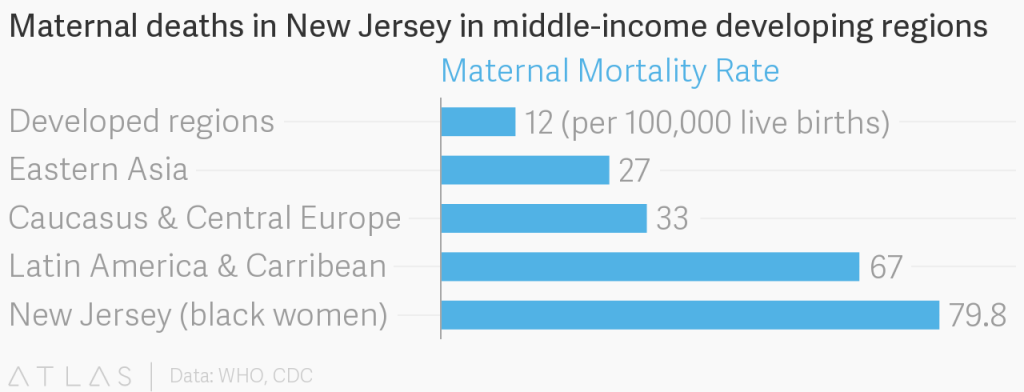 Every one of the ten debaters supports universal health care coverage, with the eight who didn’t raise hands arguing for different flavors of a mixed public/private system. Klobuchar argued for a public option which was baked into the original Affordable Care Act. She is concerned about “kicking half of America off of health insurance in 4 years,” pivoting to the “much bigger issue” of pharmaceuticals pricing. She recalled that President Trump “went on Fox and said peoples’ heads would spin when they saw dropping prices” for medicines. She went into the data citing that 2,500 drug prices have gone up since President Trump took office, and that there have been in her words, “$100bn in giveaways to pharmaceutical companies.” Later in the debate, Klobuchar raised the issue of health disparities and in particular, how African-American women get less effective maternal health care.” [This sad truth about U.S. health care outcomes was recently described by the CDC].
“That’s what we call at home all foam and no beer,” she quipped. Let’s take on pharma, allow negotiations of prices under Medicare. “Pharma thinks they own Washington, but they don’t own me,” she added.
Warren said she has signed on to “Bernie care,” saying, “I’m with Bernie on Medicare for all. I spent time in my life studying why families go broke…this happens to people who have insurance…the business model of an (health) insurance company is to bring in as many dollars in premiums and pay out as few dollars as possible,” Warren described. “I understand a lot of politicians say it’s not possible – what they are telling you is they won’t fight for health care as a basic human right and I will fight for it,” Warren promised. [Here’s a link to her published research into the relationship between health care costs and personal bankruptcy in America written when she was at Harvard].
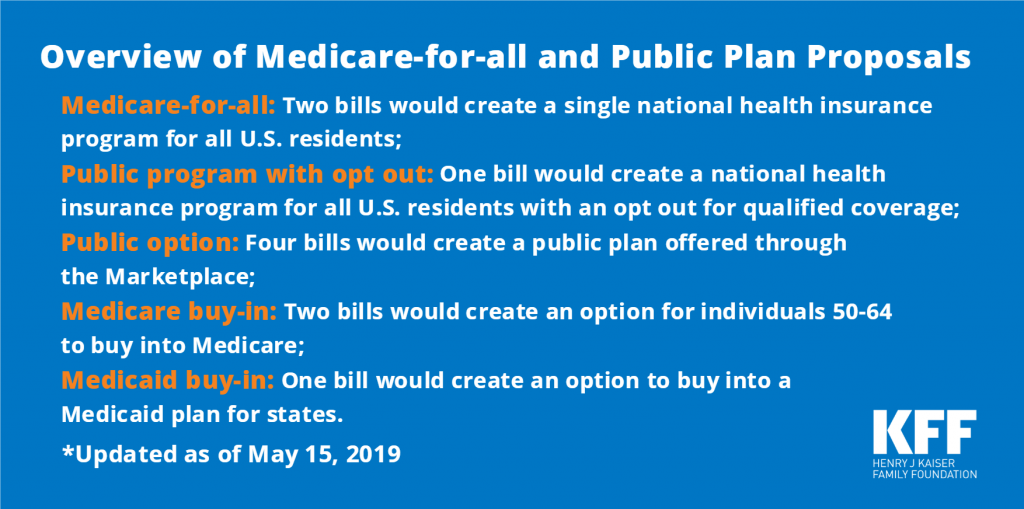 O’Rourke ran for Senate praising a bill that would replace private insurance. His stance has moved to the center away from single payer, to a private/public mix. He believes in “getting to guaranteed universal health care, featuring primary care, the ability to see a mental health provider,” noting that in Texas, the single largest provider of mental health care is the county jail system.” He went on to say that women should be “in control of their own body,” getting applause. When Holt asked O’Rourke if he would replace private insurance, O’Rourke said that, no, “if you are uninsured you can enroll in Medicare, if you are in a union plan and it works you can keep it.”
DeBlasio chimed in saying that private insurance isn’t working well for anyone, which drives his believe in a single payer government run system.
Delaney recognized that 100 million Americans like their current insurance and said, “we should keep what works and fix what’s broken – give everyone free care as a basic human right,” but with an option to buy more or “up” from a basic plan. He critiqued that Medicare for All bills would pay hospitals at current Medicare rates which, Delaney warned, “would kill the hospitals” financially.
Gabbard’s take was that, “We are talking about this in wrong way,” saying that she would give every sick American the quality health care they need. Look at other countries, she recommended, noting that every one with universal health care has a role for private insurance.
For Booker, “it’s not just a health care issue — it’s an education issue,” he believes. “If you don’t have care, you can’t succeed at school.” This is also a retirement issue, he asserted, where people have lower life expectancy due to poorer health care. This is “not just a human right but an American right,” calling out that, “too many people are profiteering off of the pain of people” in the U.S., pointing to pharma and health insurance.
Warren added that, “insurance companies $23 bn of profits out of the health care system,” detailing the pay to executives, lobbyists, and, “a giant industry that wants the system to stay the way it is — not working for families, but working for them.” But families must come first, Warren believes.
Inslee said that insurance companies should not have an option to deny women choice. In Washington State, he passed legislation protecting the right of women for health insurance and a law for a public option, promoting health insurance access for everyone, he said.
 “Three women up here have fought for women’s right to choose,” Klobuchar noted, prompting applause.
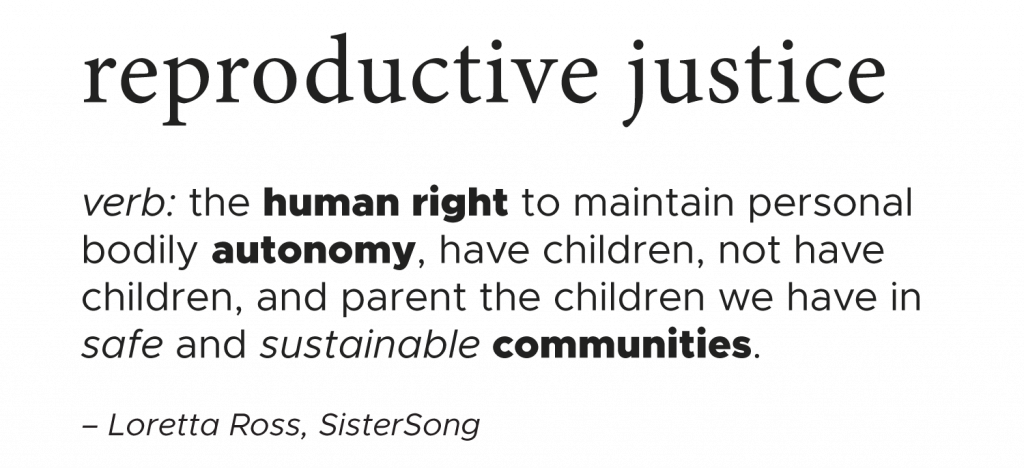
Castro discussed women’s right to abortion and emphasized the concept of “reproductive justice” versus “reproductive rights.” It’s “justice” because women of lower incomes don’t have health equity or access — nor do trans people, which also got applause from the audience. “Just because someone is poor doesn’t mean they shouldn’t have the right to choose,” Castro believes, identifying eroding women’s health rights in Alabama, Georgia and Missouri.
Jose Diaz-Ballard moved to the topic of opioids, asking Booker if companies manufacturing opioids should be help criminally liable. Booker said, yes, they are liable and responsible. Booker noted he would not take contributions from a pharma company. “In Newark, we’ve tried to arrest our way out of addiction for too long…we need national urgency to deal with this problem and make pharma companies responsible to pay for this.”
Chuck Todd ushered in the second hour of the debate with the public health issue of guns, describing that this meet-up was being held less than 50 miles from the Parkland shooting. Todd described that gun activism is now a part of high school life in Broward County, Florida. “What do you do about all the guns out there?” Todd asked Warren.
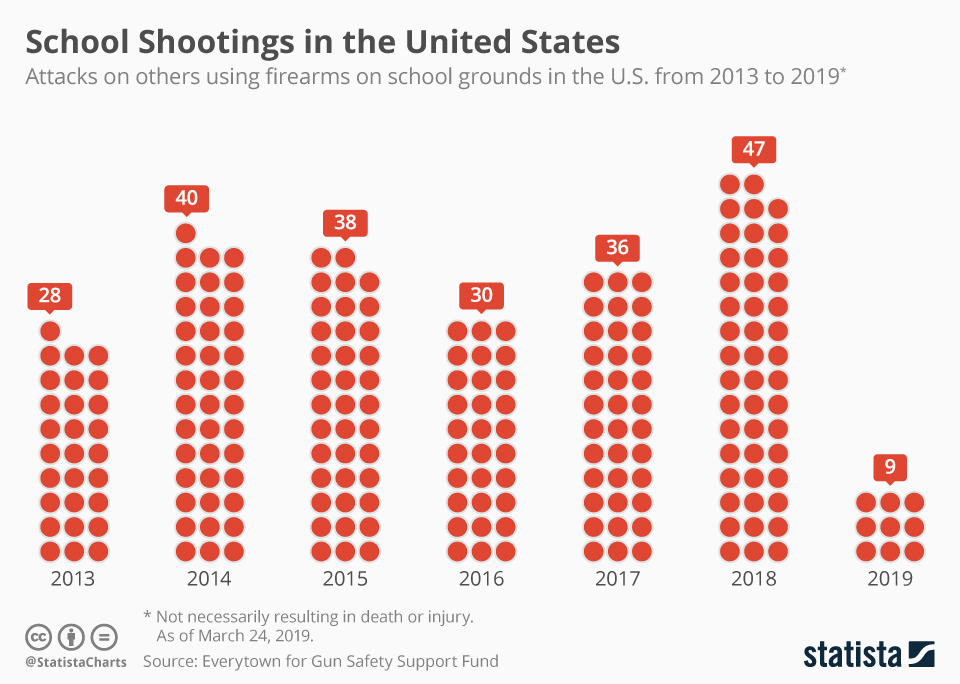 She recalled that while running for President, she has already conducted over 100 town halls. The hardest questions have been from kids asking, “when you are president, how are you going to keep us safe?” She responded, “That is our responsibility as adults,” adding that seven young people die from gun violence each day in the U.S. “Gun violence is a national health emergency in the U.S.” Warren would double-down on research to find out what really works in stemming gun violence to find “where can we make a difference at the margin that will keep our kids safe.” She said we should treat gun violence like a virus killing our children and treat this like a serious research problem. It’s a public health emergency, as she called it, and as such we should, “bring data to bear whether politically popular or not.”
Booker added that he has a Federal government buy-back program in his plan, adding that he hears gunshots in his neighborhood on a regular basis. Seven people were shot in his neighborhood last week. “People are tired of living in a country learning reading, writing, arithmetic, and shooting in school,” Booker passionately argued. “We let the corporate gun lobby frame the debate. This is not policy — it’s personal” to him.
Ryan said we need trauma-based care in every school, featuring social and emotional learning. He cited the statistic that 90% of shooters who wreak gun violence in their own school feel traumatized and bullied. We need a mental health counselor in every school because, he has observed, “kids are traumatized.”
For more details on other aspects of the debate beyond health care and financial wellness, here’s a link to NBC’s live blogging from the event.
Here is Kaiser Health News’ coverage of the event through their health policy lens.
Health Populi’s Hot Points: You’ve just read Part 1 of my listening to the first Democrats’ debate for 2020 President. Tonight, I will listen to the second half of this discussion, leading to tomorrow’s follow-up for Part 2 and synthesis of the major themes and implications for U.S. health care.
In the meantime, I’ll sign off from Part 1 of the Dems Candidates Debate coverage with a riff from Paul Simon on candidates’ debates…from his song, Mrs. Robinson…skip to 3:15 seconds to get to this stanza…a wonderful live version of this song which seems well timed for this moment…
Sitting on a sofa on a Sunday afternoon
Going to the candidates’ debate
Laugh about it, shout about it
When you’ve got to choose
Every way you look at this you lose
at
The post Health Care and the Democratic Debates – Part 1 – Medicare For All, Rx Prices, Guns and Mental Health appeared first on HealthPopuli.com.
Health Care and the Democratic Debates – Part 1 – Medicare For All, Rx Prices, Guns and Mental Health posted first on https://carilloncitydental.blogspot.com

No comments:
Post a Comment